
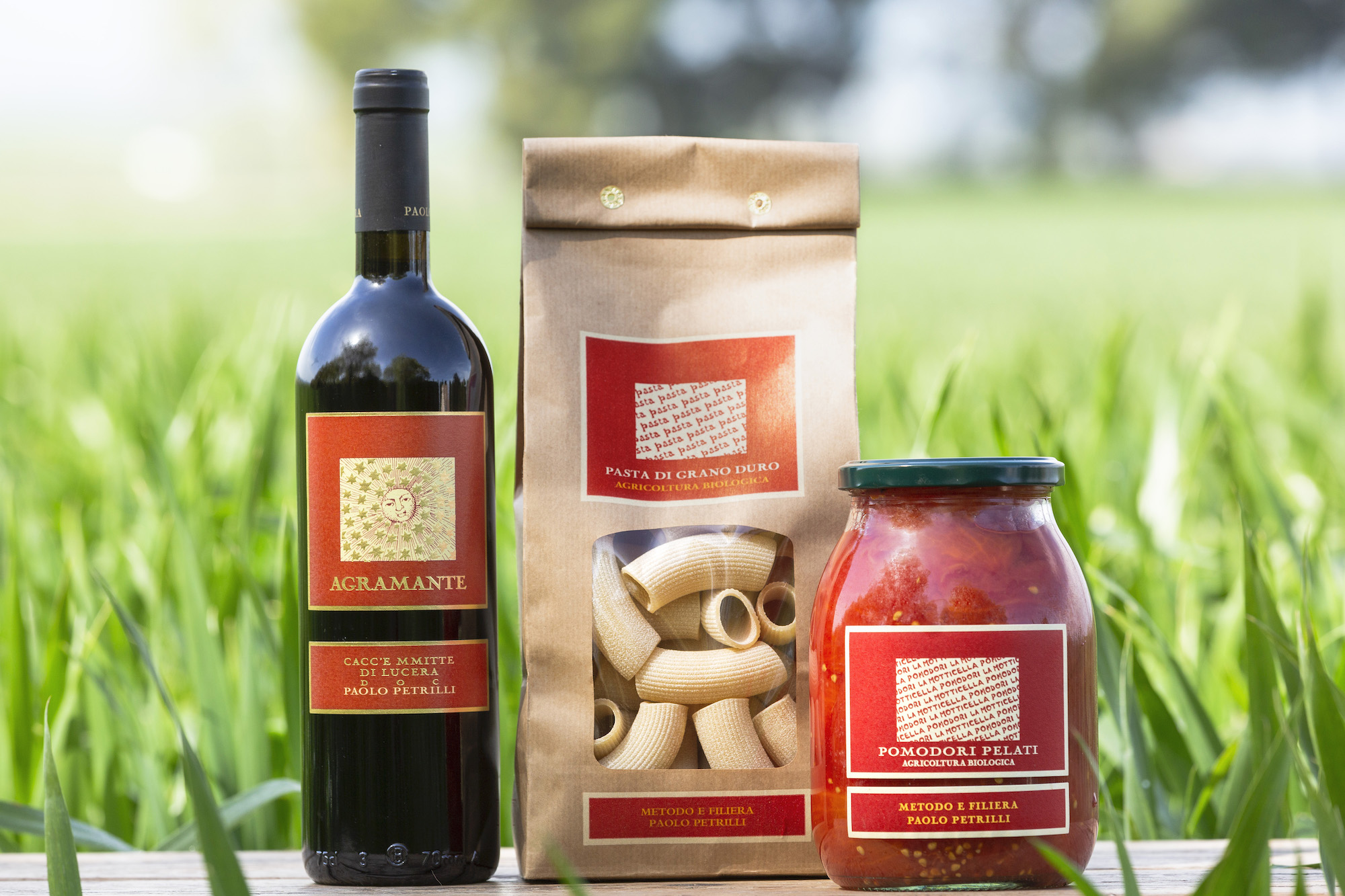
PAOLO PETRILLI’S METHOD AND PRODUCTION CHAIN
The connection to the land is strong: we grow using organic farming methods since 1988 in Motta della Regina, an ancient settlement located here, in Lucera.
We have retrieved some native varieties of seed, gave up too much yield per hectare and the use of chemicals, to develop a sustainable production system, in wich exploit the natural fertility of the land and encouriage biodiversity of the environment.
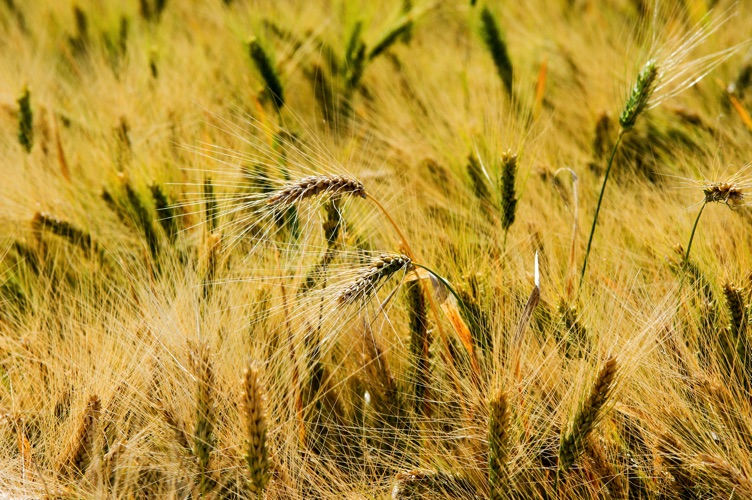
In addition to tomatoes and grapes, we produce organic durum wheat.
We are committed at all stages of production and in the choice of our partners, while maintaining the highest levels of quality and safety.
ENVIRONMENT
We grow and process tomatoes, durum wheat, and grapes.
We have been practicing organic farming since 1988.
We started when organic agriculture had neither a market nor subsidies, it was a choice driven by ideals. A true revolution compared to the past.
We naturally restore the nitrogen essential for soil fertility through green manuring with legumes and the incorporation of cereal and winter vegetable residues.
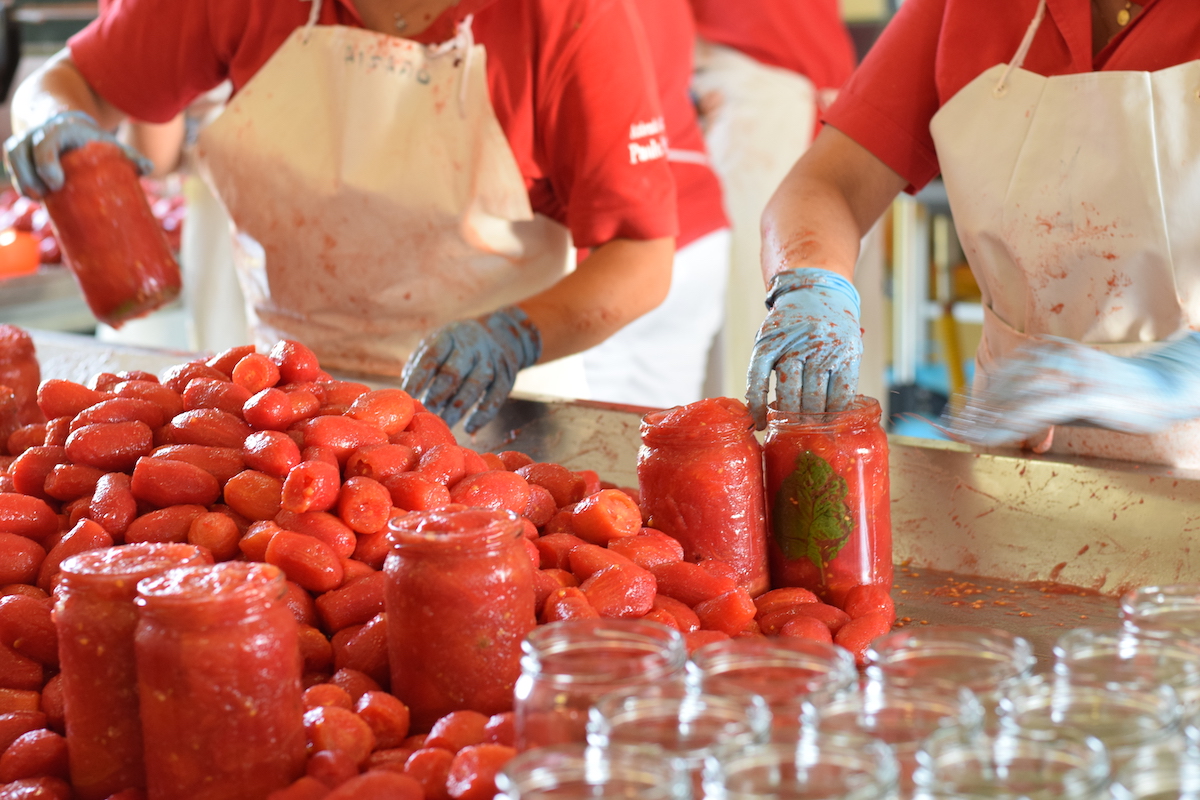
Even during tomato processing, nothing goes to waste: unripe berries, overripe fruits, skins, and seeds are returned to the fields as soil amendments, giving back to the earth what it gives to us.
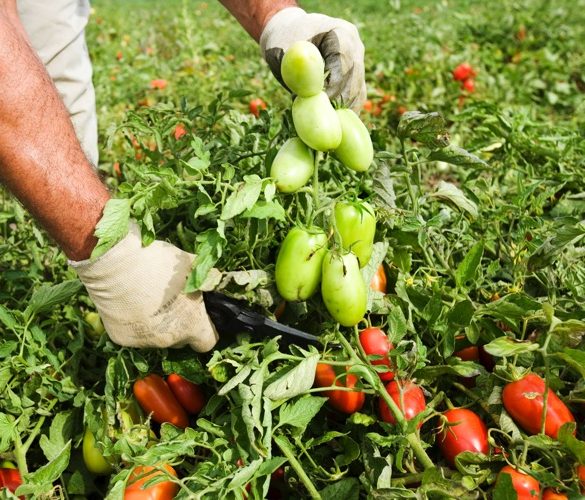
We have revived native tomato varieties less productive but far tastier than industrial ones.
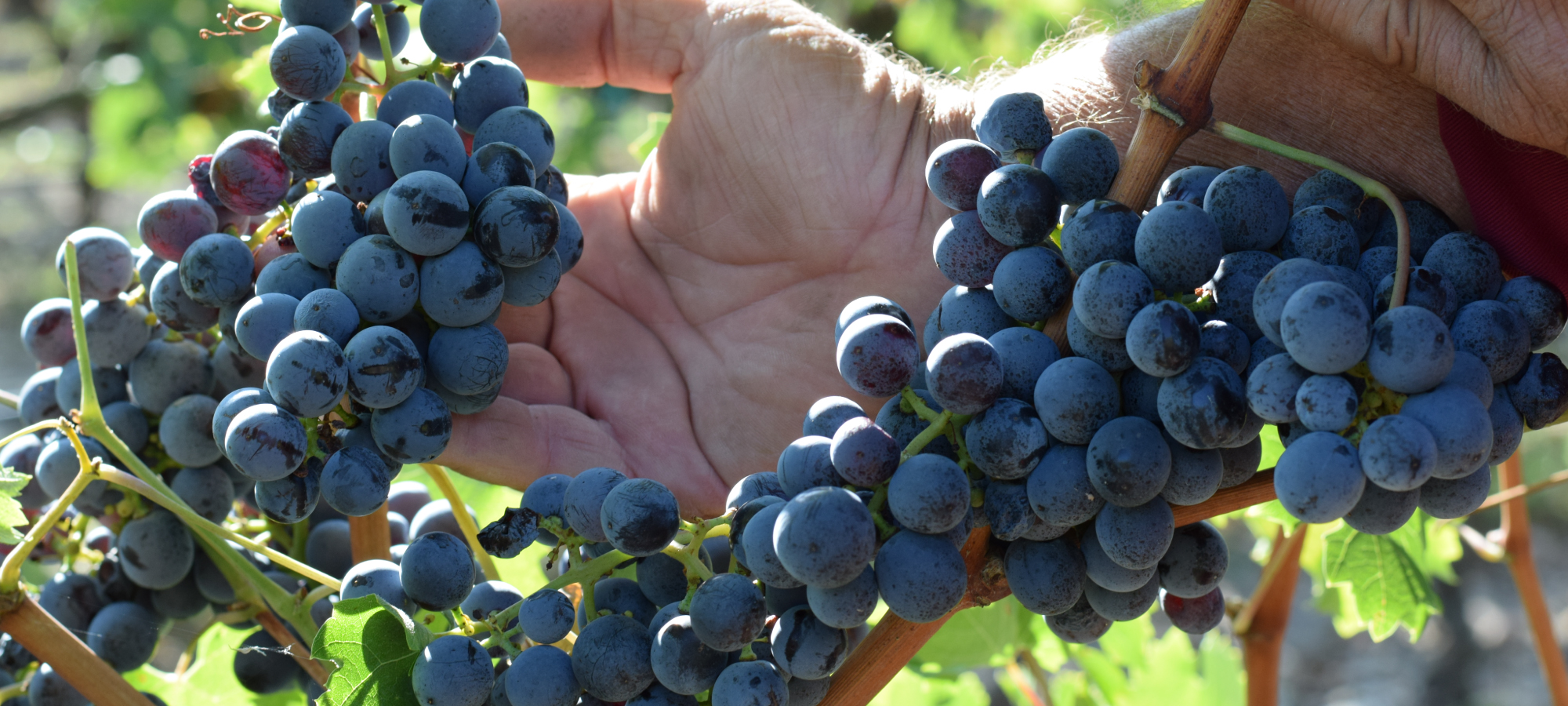
We grow durum wheat selected for its quality and, for our wines, we cultivate only native grape varieties, mainly Nero di Troia, typical of Northern Apulia.
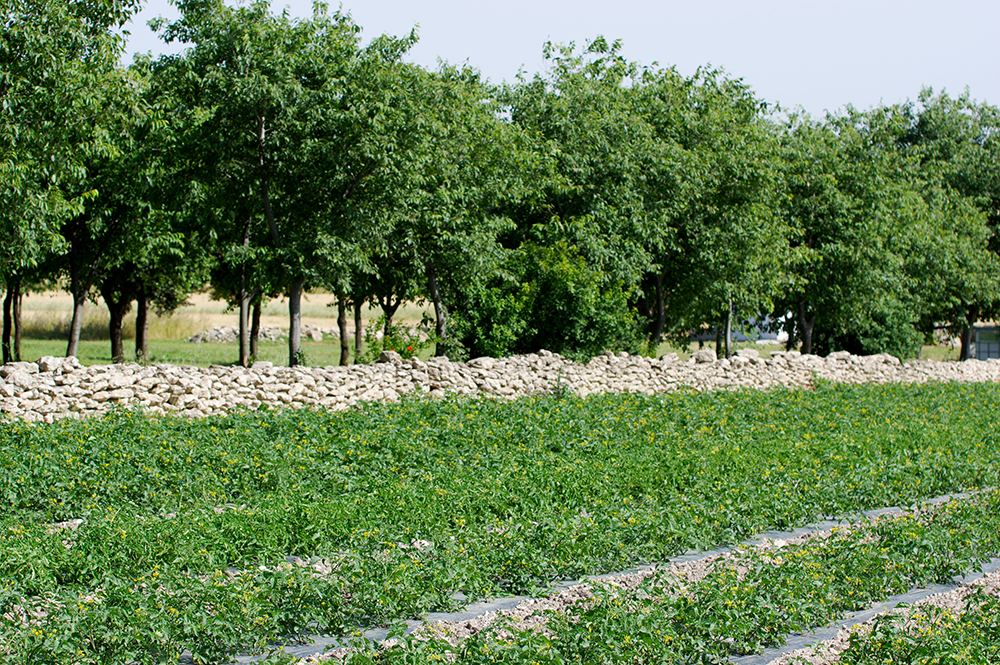
ENVIRONMENT
We grow and process tomatoes, durum wheat, and grapes.We have been practicing organic farming since 1988. We started when organic agriculture had neither a market nor subsidies, it was a choice driven by ideals. A true revolution compared to the past. We naturally restore the nitrogen essential for soil fertility through green manuring with legumes and the incorporation of cereal and winter vegetable residues. Even during tomato processing, nothing goes to waste: unripe berries, overripe fruits, skins, and seeds are returned to the fields as soil amendments, giving back to the earth what it gives to us. We have revived native tomato varieties less productive but far tastier than industrial ones. We grow durum wheat selected for its quality and, for our wines, we cultivate only native grape varieties, mainly Nero di Troia, typical of Northern Apulia.
GREEN ENERGY AND SUSTAINABILITY
We use only energy produced by a photovoltaic system installed on our rooftops, which fully covers our energy needs.
We have planted three hectares of oaks and Mediterranean scrub to recreate the historical landscape of the Tavoliere area, restore biodiversity, protect native species and their habitats, absorb carbon dioxide, and generate oxygen.
We deliberately keep our crop yields low, this ensures the highest quality of raw materials while also minimizing the use of water and natural fertilizers.
An agrometeorological station monitors temperature, rainfall, humidity, and wind, allowing us to optimize crop protection treatments.
Our tractors are equipped with satellite-guided systems that improve precision in fieldwork, reducing the use of seeds, fertilizers, and fuel.
We irrigate our tomato fields with a dual drip system, which significantly reduces water consumption.
These innovations make a tangible contribution to reducing CO₂ emissions and water usage.
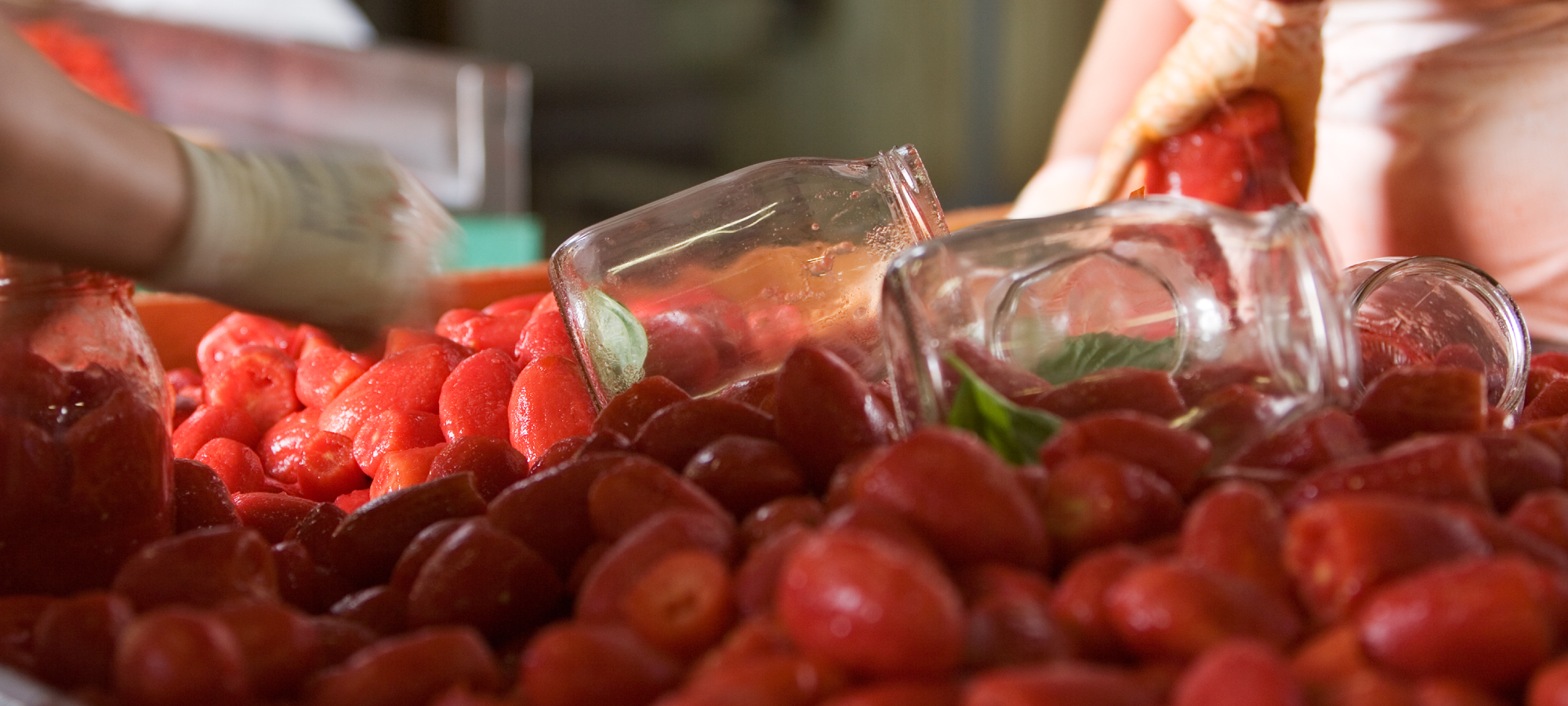
GREEN ENERGY AND SUSTAINABILITY
We use only energy produced by a photovoltaic system installed on our rooftops, which fully covers our energy needs. We have planted three hectares of oaks and Mediterranean scrub to recreate the historical landscape of the Tavoliere area, restore biodiversity, protect native species and their habitats, absorb carbon dioxide, and generate oxygen. We deliberately keep our crop yields low, this ensures the highest quality of raw materials while also minimizing the use of water and natural fertilizers. An agrometeorological station monitors temperature, rainfall, humidity, and wind, allowing us to optimize crop protection treatments. Our tractors are equipped with satellite-guided systems that improve precision in fieldwork, reducing the use of seeds, fertilizers, and fuel.
We irrigate our tomato fields with a dual drip system, which significantly reduces water consumption. These innovations make a tangible contribution to reducing CO₂ emissions and water usage.
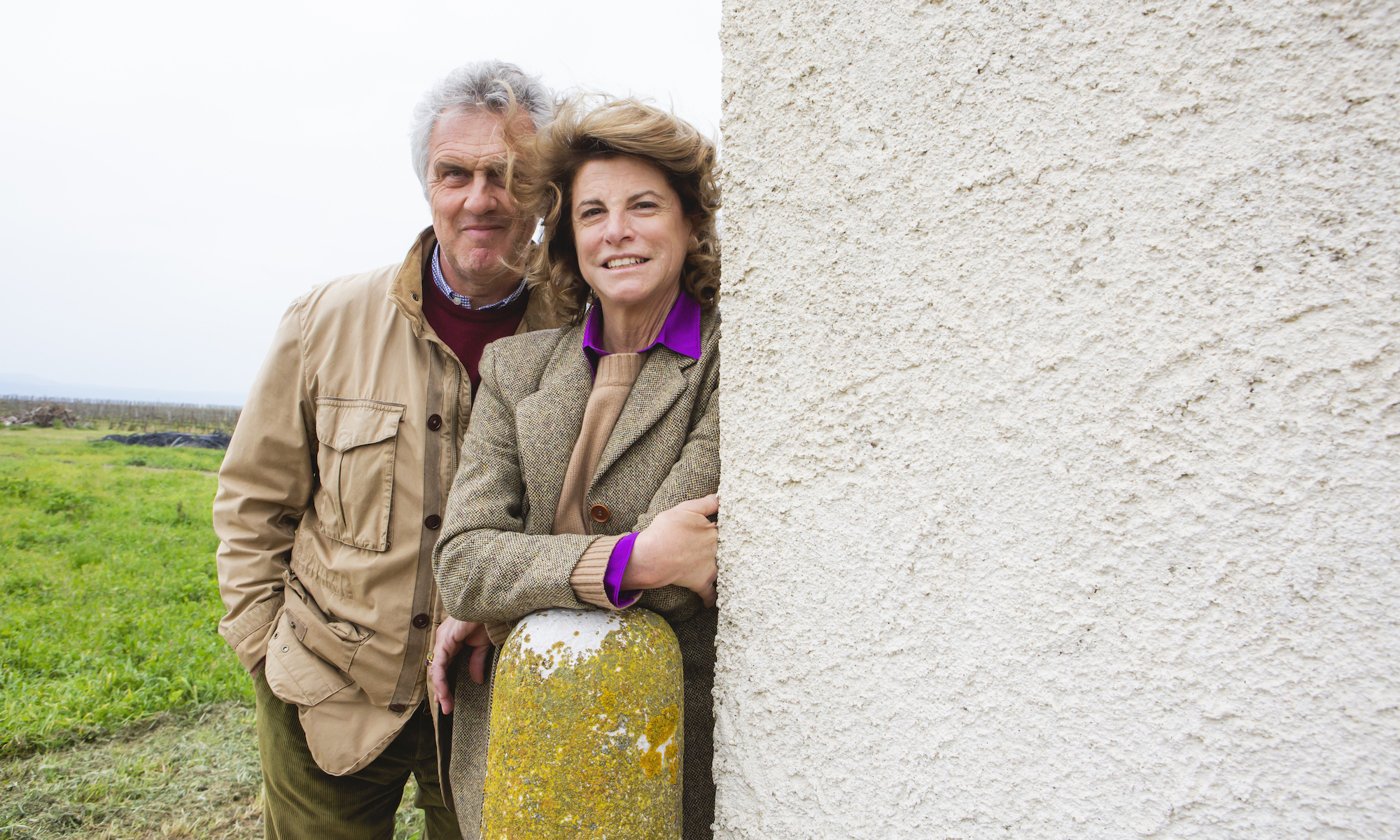
SOCIAL RESPONSIBILITY
We believe in business ethics and social responsibility. We respect individual rights, strive to engage and motivate the people who work with us, ensure workplace safety, maintain strong relationships with partners and customers, and nurture a deep connection between our company and the local community.
We value the dignity of work and our deep roots in the region. All the people involved in tomato processing come from Lucera or nearby towns. Many of the women who started working with us back in 1989 are still part of our team now joined by their daughters, granddaughters, cousins, and friends, all connected by family ties and by a shared tradition of homemade preserves.
Two sons and a grandson of our long-standing production manager also continue to work with us. Each department operates with full autonomy and responsibility, thanks to a clear delegation of roles and competencies across management, field operations, and processing.
HEALTH AND NUTRITION
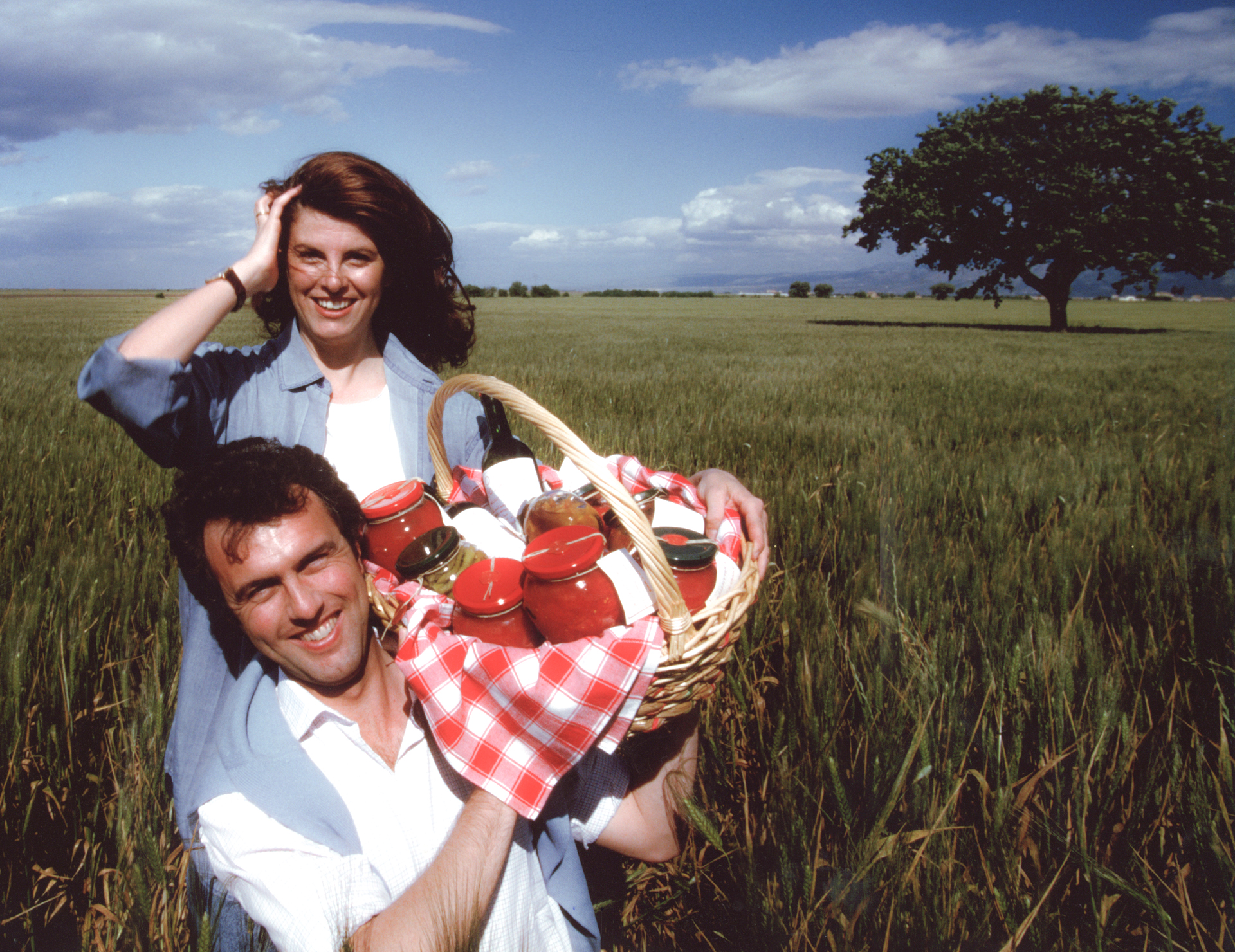
Tomatoes, pasta, and wine are essential components of the Mediterranean diet. Our products embody contemporary trends in food and cuisine, based on pure, authentic ingredients, transforming simple, wholesome foods into something truly extraordinary.
THE COMPANY
Our history, year after year.

1000
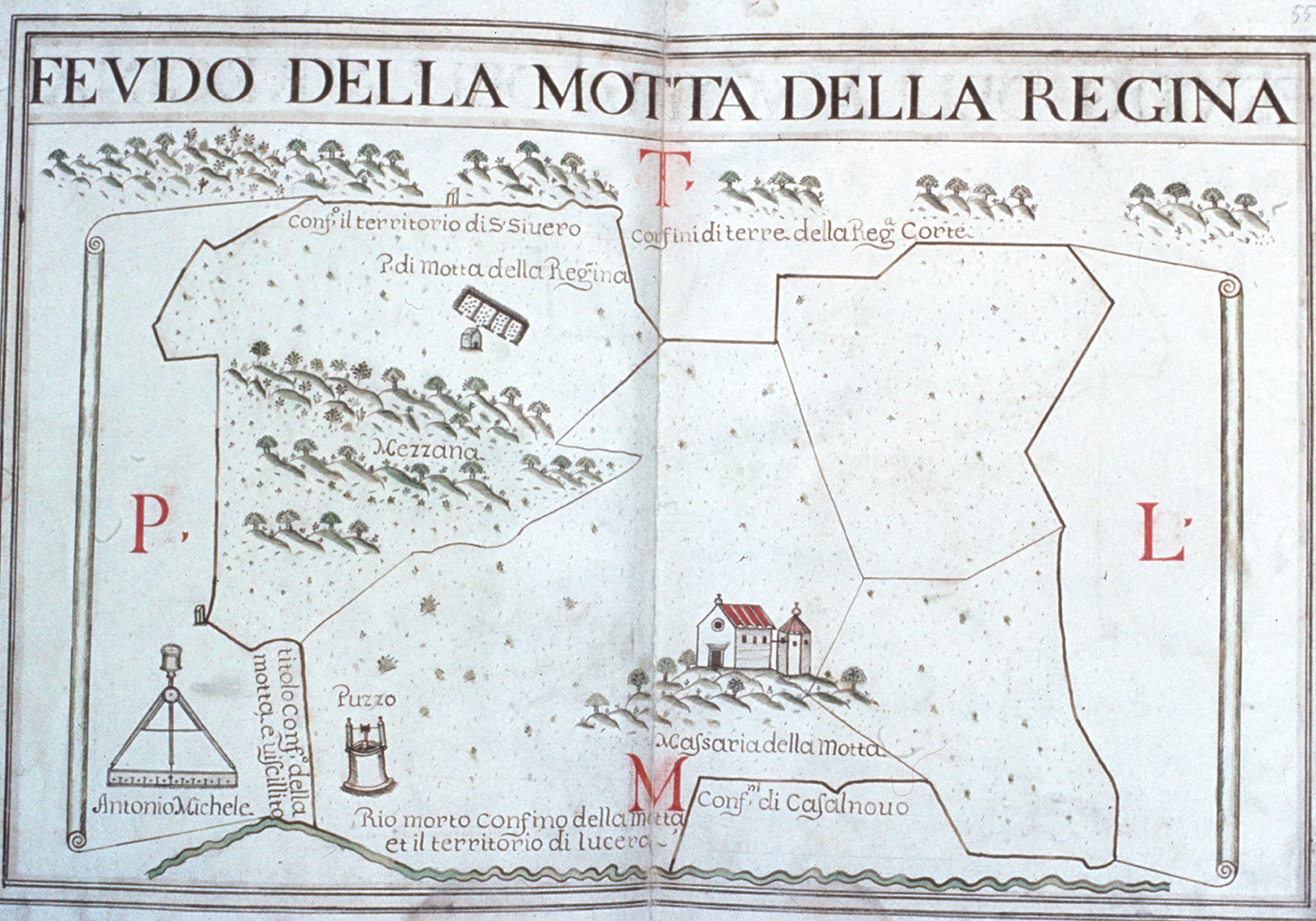
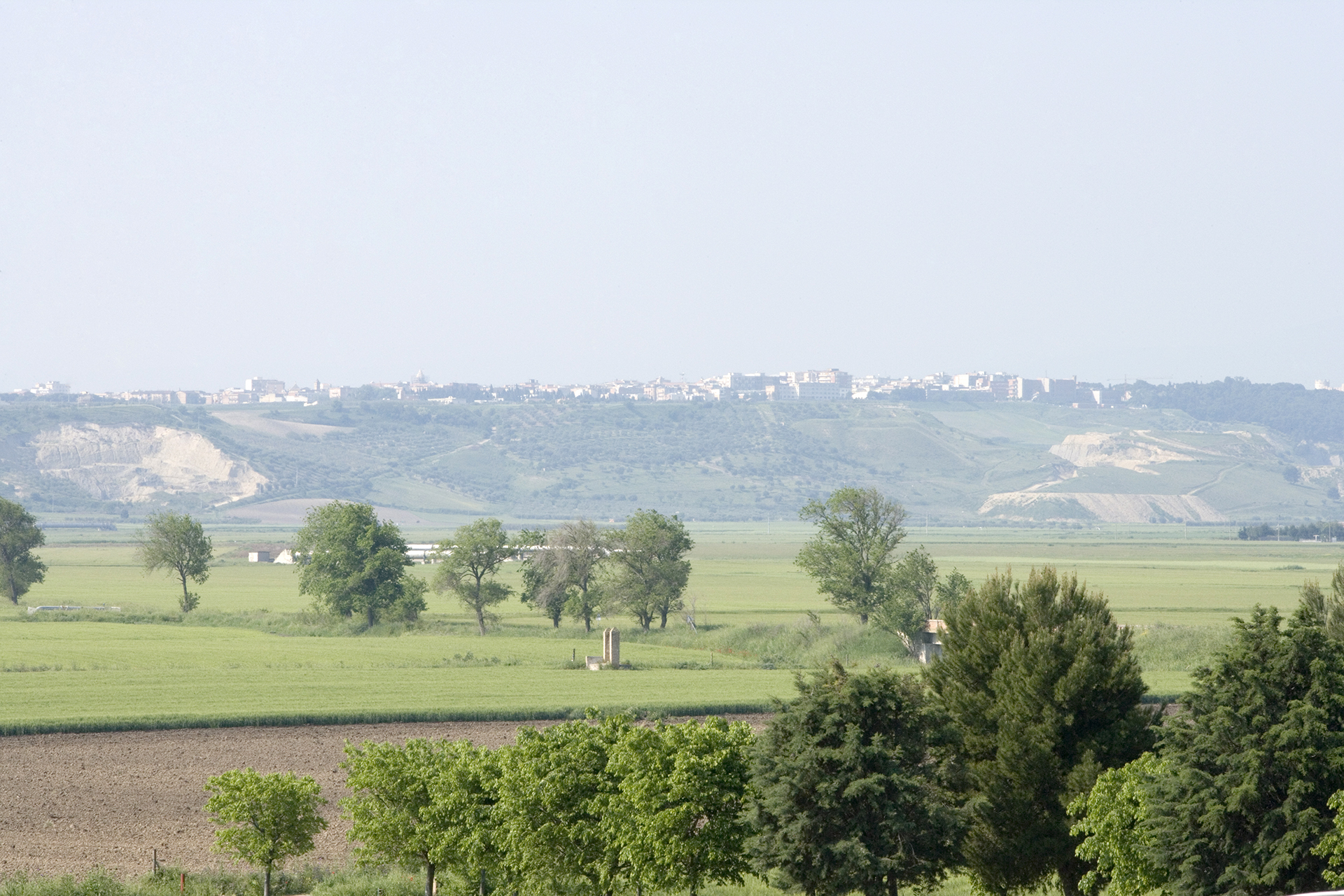
La Motticella, or Motta della Regina, is an ancient settlement that appears on maps dating back to before 1000 A.D.. It is located in the countryside of Lucera, a pre-Roman city in northern Puglia allied with Rome against the Samnites, the seat of the court of Frederick II and the capital of Capitanata until 1806.
1500
In the Middle Ages it was a rest stop along the road between Lucera, in the hinterland, and Lesina, a Venetian outpost on the Adriatic; later it became a fiefdom of the Caropresa, Zunica and Serra di Cassano families.
1700
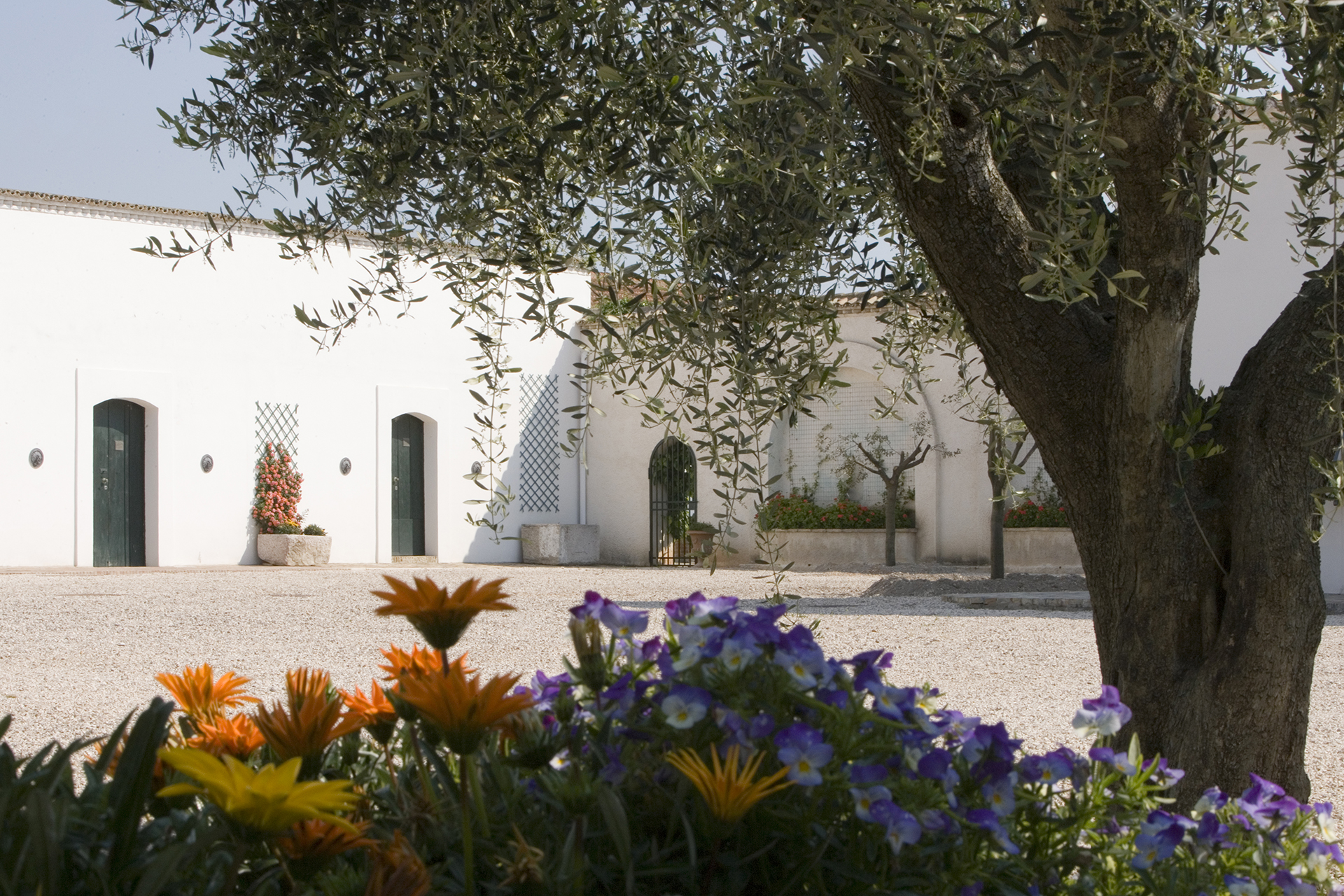
The whitewashed ‘masseria’, a fortified farmhouse typical of this region, was built, along with a church, dormitories for farm labourers, stables, storage pits for wheat and a primary school, which closed in the 1960s. In the early 1900s the company was acquired by Paolo Petrilli, the grandfather of the present-day owner, using the dowry of his wife, Teresa, and merged with the neighbouring family farm.
1988
Paolo Petrilli appreciated the importance of sustainable farming and believed it was essential to use the land in a different way for the sake of future generations. He decided to convert to organic farming methods that didn’t pollute the soil or air, and that rejected the use of pesticides and weedkillers. This was the start of the Paolo Petrilli farm company.
1990
La prima trasformazione dell’azienda: i pomodori. Al principio si coltivavano solo ceppi autoctoni recuperati da Paolo Petrilli in paese, a Lucera, poi nel tempo sono state introdotte varietà poco produttive di aziende sementiere italiane. Le rese sono volutamente molto basse per esaltare la qualità della materia prima. Tutte le fasi della produzione sono manuali: coltivazione, raccolta, lavorazione, confezionamento e monitoraggio costante della qualità.
1997
The Petrilli family decided to make the farm estate their home, and not just their place of work, so that they could be fully engaged in the farming revolution on their land.
1998
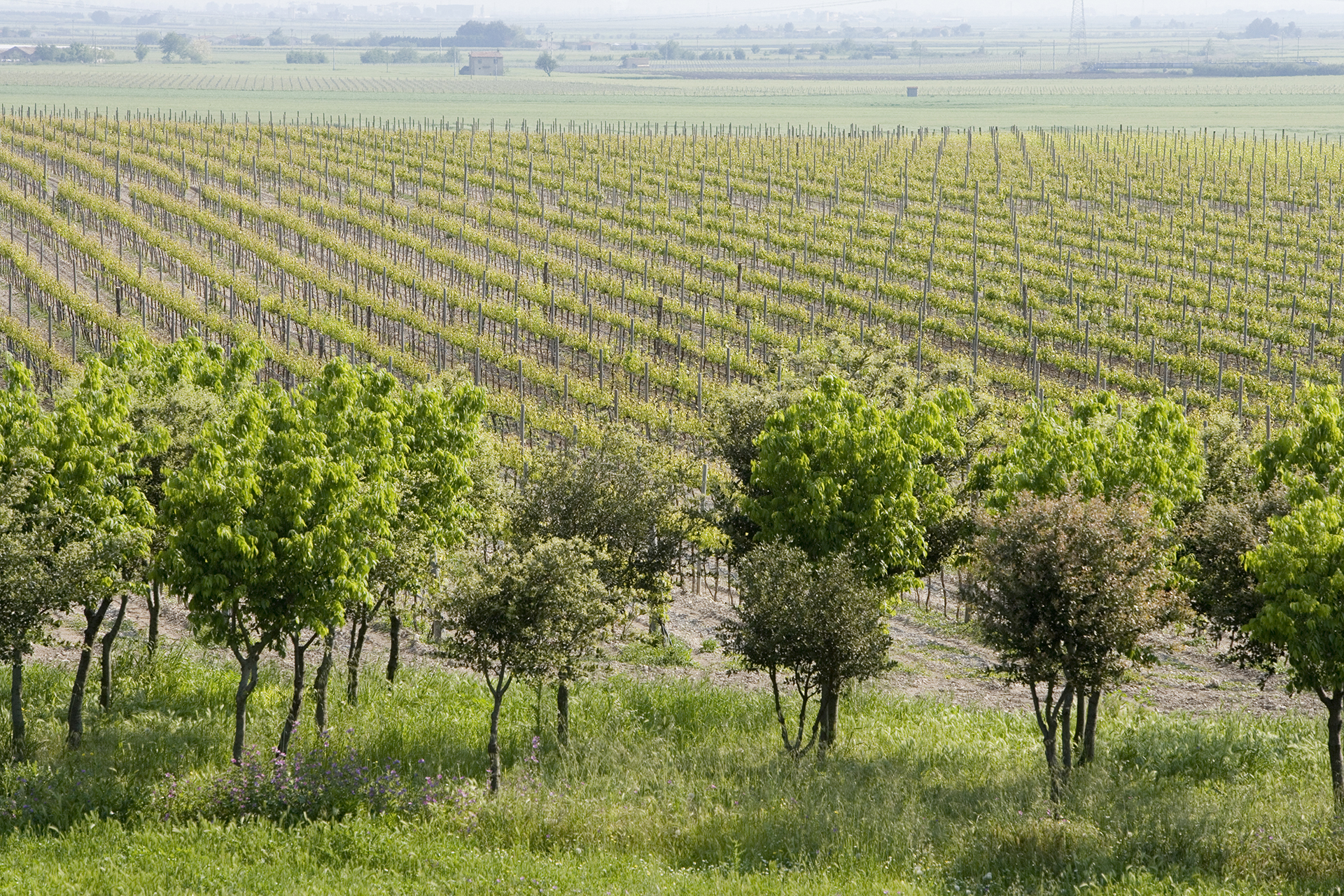
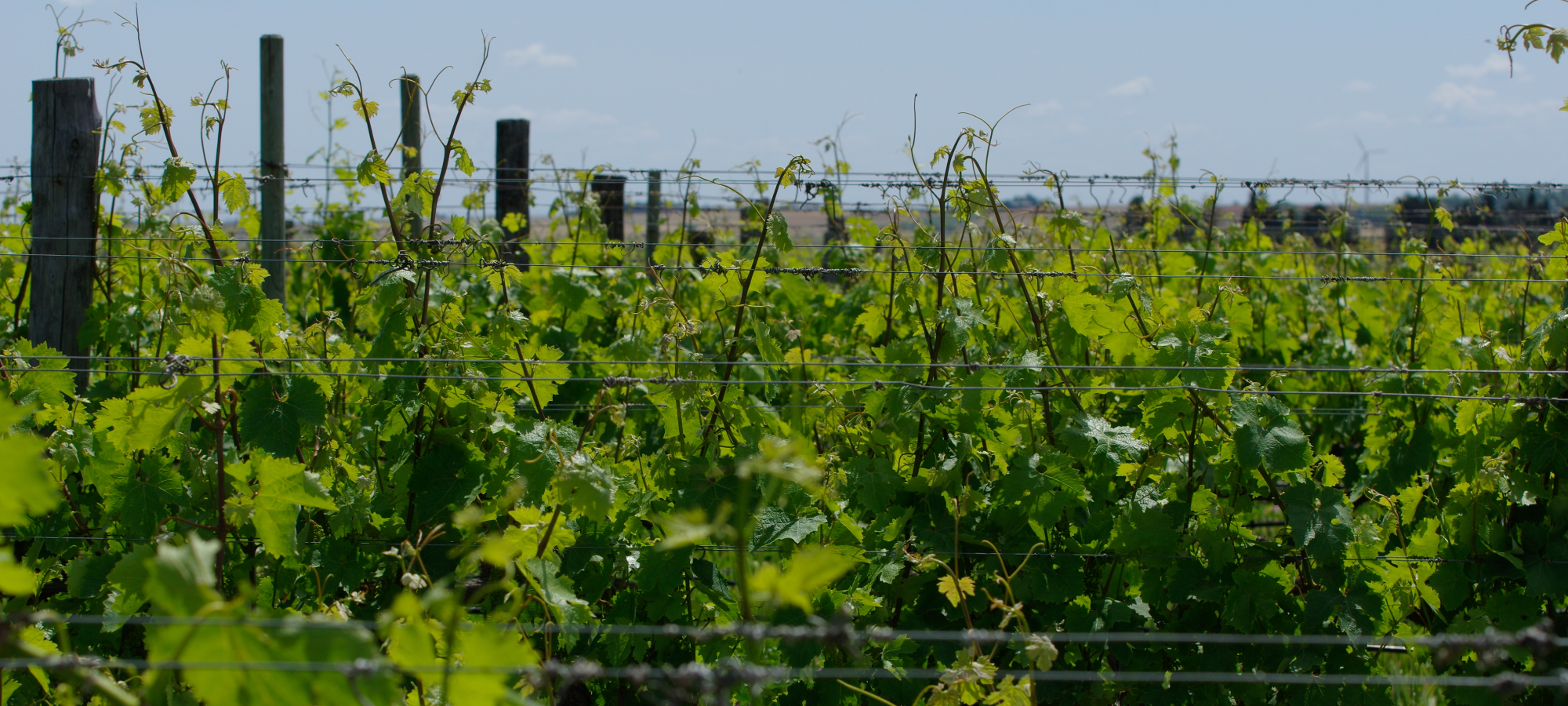
Le vigne produttive sono spiantate e si ripianta su terra povera, sul poggio dell’azienda, intorno ai fabbricati, su terreno calcareo, a 300 metri di altitudine. Viene innestato a mano del piede americano debole, il 420A, solo con varietà autoctone. Nel 2002 la prima vendemmia.
2015
Viticultural zoning and radical changes in the wine-making process. High-tech fermentation methods, steel, temperature control, mechanical pump-over, and micro-oxygenation are dismissed in favour of wooden barrels, spontaneous fermentation, manual pressing: no intervention, no selected yeasts, no chilling, no oxygen, all natural. A return to the winemaking of the 1930s.
2016
After years of variety testing, our wheat has the best possible features to produce pasta of the highest quality: scent, protein content, gluten characteristics. Thus, the first pasta by Azienda Agraria Paolo Petrilli is born.
2021
The first crop of the Senatore Cappelli wheat is completed and blended with the Hathor variety to improve the taste and nutritional values of the pasta.
Today
Now, as then, we produce tomatoes, pasta, and wines artisanally, using only our raw ingredients and organic farming methods.
La Motticella, or Motta della Regina, is an ancient settlement that appears on maps dating back to before 1000 A.D.. It is located in the countryside of Lucera, a pre-Roman city in northern Puglia allied with Rome against the Samnites, the seat of the court of Frederick II and the capital of Capitanata until 1806.
In the Middle Ages it was a rest stop along the road between Lucera, in the hinterland, and Lesina, a Venetian outpost on the Adriatic; later it became a fiefdom of the Caropresa, Zunica and Serra di Cassano families.
The whitewashed ‘masseria’, a fortified farmhouse typical of this region, was built, along with a church, dormitories for farm labourers, stables, storage pits for wheat and a primary school, which closed in the 1960s. In the early 1900s the company was acquired by Paolo Petrilli, the grandfather of the present-day owner, using the dowry of his wife, Teresa, and merged with the neighbouring family farm.
Paolo Petrilli appreciated the importance of sustainable farming and believed it was essential to use the land in a different way for the sake of future generations. He decided to convert to organic farming methods that didn’t pollute the soil or air, and that rejected the use of pesticides and weedkillers. This was the start of the Paolo Petrilli farm company.
The company’s first transformation: tomatoes. In the beginning, only native crops retrieved in Lucera by Paolo Petrilli are grown. Over time, less fruitful varieties from Italian seed industries are introduced. The yields are deliberately low to enhance the quality of raw ingredients. All production phases are carried out manually: growing, harvesting, processing, packaging, and continuous monitoring of the quality.
The Petrilli family decides to settle permanently on the estate to fully embrace their agricultural revolution. The buildings are renovated using recyclables materials and traditional building techniques. Oaks and Mediterranean scrubs are planted to recreate the ancient natural landscape.
The vineyards are uprooted and re-planted on the poor soil containing limestone located at the top of the estate hill, at an altitude of 300 metres. The 420A, a low-vigor American rootstock, is hand-grafted on local varieties only.
Viticultural zoning and radical changes in the wine-making process. High-tech fermentation methods, steel, temperature control, mechanical pump-over, and micro-oxygenation are dismissed in favour of wooden barrels, spontaneous fermentation, manual pressing: no intervention, no selected yeasts, no chilling, no oxygen, all natural. A return to the winemaking of the 1930s.
After years of variety testing, our wheat has the best possible features to produce pasta of the highest quality: scent, protein content, gluten characteristics. Thus, the first pasta by Azienda Agraria Paolo Petrilli is born.
The first crop of the Senatore Cappelli wheat is completed and blended with the Hathor variety to improve the taste and nutritional values of the pasta.
Now, as then, we produce tomatoes, pasta, and wines artisanally, using only our raw ingredients and organic farming methods.
 No products in the cart.